
Art to Copy
9 ideas you can take inspiration from

Are you looking for art to copy? Then this article is for you. Below you will find nine paintings of mine that you are welcome to recreate, and most of them come with a tutorial that walks you through the whole thing step by step.
If you would rather draw than paint, this list will suit you better:
#01 Eyes
Do you dare to paint an eye? Let the tutorial help you — it is far less difficult than it looks.
#02 Tree

If you feel like painting something quick, try copying this simple wet-in-wet tree.
#03 Mountains

For this one you paint simple mountains in several layers, one behind the other.
#04 Fish

Paint a fish! If you do not like the one in my example, you can find photos of the fish I met while snorkelling in Curaçao here: Snorkelling at Cas Abao Beach.
#05 Northern Lights

Have you ever seen the northern lights in the sky? This simple tutorial shows you how to get them onto your paper in just a few steps.
#06 Butterfly
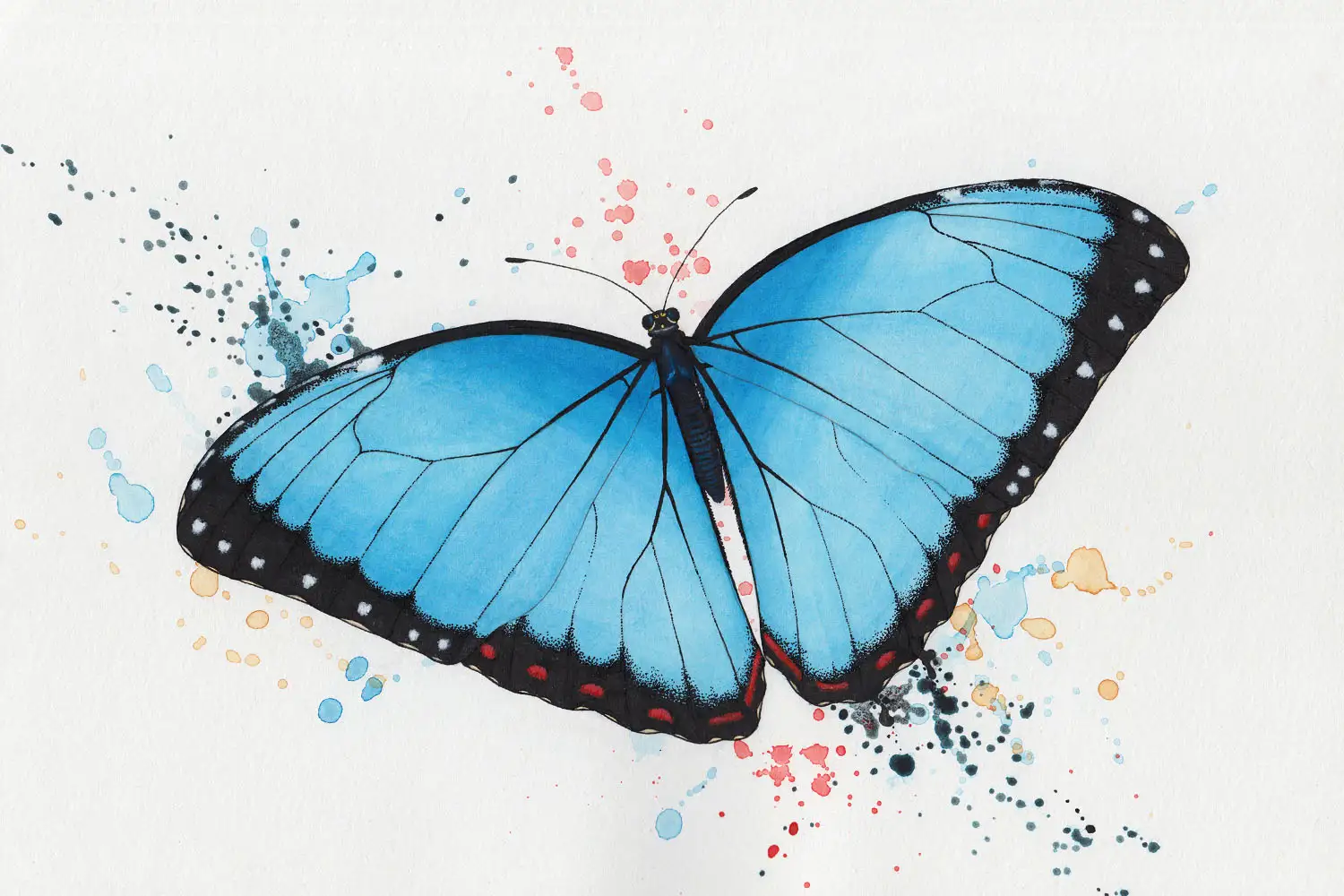
Decide for yourself whether you want to paint a specific species of butterfly or let your imagination run free.
#07 Pigeons

For this simple painting you wash a colourful or monochrome sky into the background, then paint (or draw) the silhouettes of pigeons on wires in a very dark colour.


Which paintings are you allowed to copy?
Every painting listed above is mine, so you can copy any of them without worrying. If you share your finished piece on Instagram, feel free to mention @buthowtoart in a comment so that I get to see it. But what about the other images you find online?
Before you pick up the brush, it is worth knowing the legal basics. Artworks by artists who died more than 70 years ago have usually entered the public domain. That means you may copy, reinterpret and even sell your version of them. Classics such as Van Gogh’s Starry Night or Monet’s Water Lilies fall into this category.
Contemporary artwork is a different matter. Much of it is still under copyright, particularly when the artist is alive or died less than 70 years ago. In those cases you may copy the image for private practice, but you may not exhibit it publicly or use it commercially without permission.
So if you want to take inspiration from modern art, check the terms of use first. When in doubt, ask the artist — or simply keep your version to yourself.
Does copying paintings hurt your creativity?
Quite the opposite: copying can actively feed your creativity. Working from someone else’s painting teaches you techniques, colour combinations and ways of seeing that you can carry into your own work later. The point is not to produce an identical copy, but to add your own nuances and learn from the process.
That said, balance matters. If you rely exclusively on references, you may find it hard to develop your own voice. Copying is a great starting point, but once you notice it has become your only source of inspiration, it is worth asking how you could bring more of your own ideas into your art.
As long as you keep experimenting and trying new things alongside it, copying will not harm your creativity at all. On the contrary — you widen your skill set and grow more confident in your own artistic language with every brushstroke.
Similar Posts


